History
The Faculty of Agricultural Industrial Technology (FTIP) was inaugurated on September 13, 2005, by the Decree of the Rector of Padjadjaran University number 1520/J06/Kep/Kp/2005. FTIP was established due to the upgrade of the Agricultural Technology Department (TEKNOTAN) of the Faculty of Agriculture, Padjadjaran University. Initially, the TEKNOTAN Department was one of six departments in the Faculty of Agriculture, Padjadjaran University; it was founded in 1983 through the Decree (SK) of the Director General of Higher Education number 134/Dikti/Kep/1984 and had three Study Programs: (i) Agricultural Product Technology Study Program; (ii) Agricultural Tools and Machinery Study Program; and (iii) Soil and Water Engineering Study Program. On July 11, 1996, through the Decree of the Minister of Education and Culture, these three study programs were merged into two: Food Technology Study Program and Agricultural Engineering Study Program.
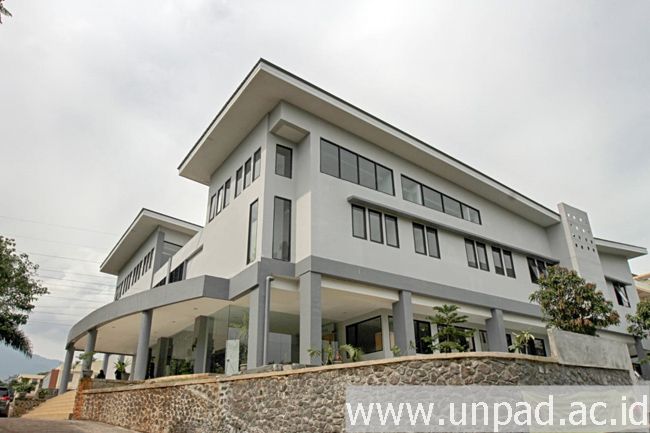
Considering and reviewing various reasons, the Agricultural Technology Department developed into the Faculty of Agricultural Industrial Technology, Padjadjaran University. At the time of its establishment, the Dean’s Office occupied the PEDCA Building, and since early January 2009, it has occupied a new building in the campus area designated for FTIP. On August 1, 2009, FTIP obtained ISO 9001:2008 with certificate number ID09/1367 for “Education Services including Design curriculum & Lecture material, Teaching and Learning”, making it the first faculty at Padjadjaran University to do so.
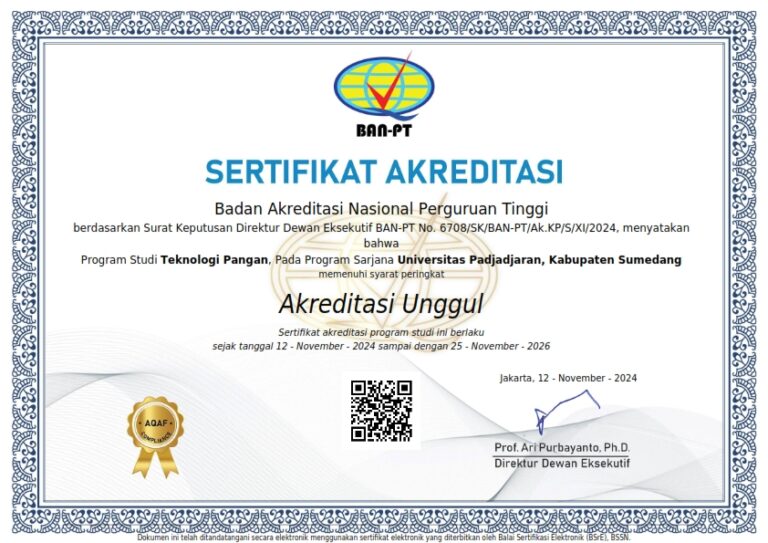
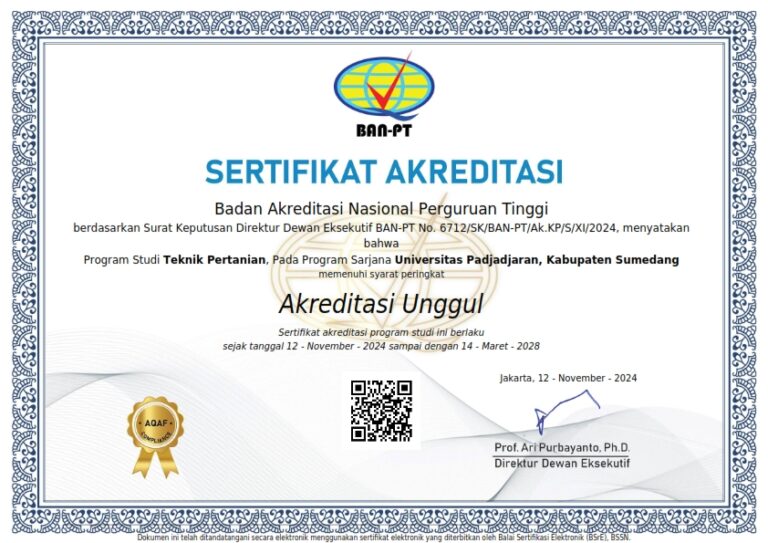
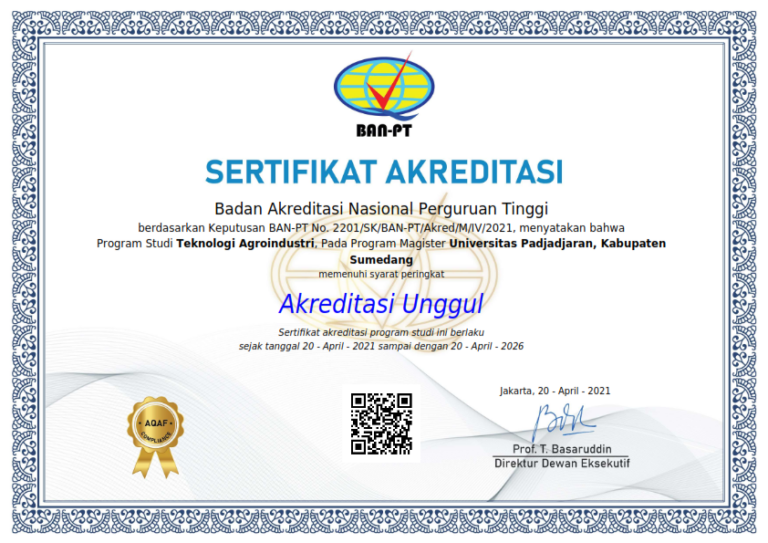
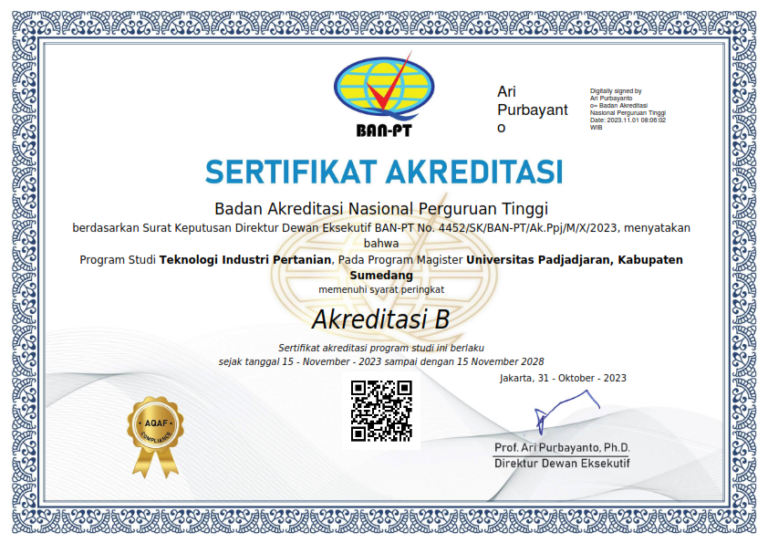
FTIP Unpad initially had 2 (two) Undergraduate Study Programs, namely Agricultural Engineering and Food Technology, and since 2014, one more Undergraduate Study Program, Agricultural Industrial Technology, was added. Currently, FTIP has developed its study programs to master’s and doctoral levels. The master’s level has 2 study programs, namely Agroindustrial Technology and Agricultural Industrial Technology. The doctoral program has 1 study program, namely Agroindustrial Technology.
Vision, Mission, Goals & Functions
Vision
FTIP Unpad’s vision is “To become a higher education management institution committed to excellence in the field of agricultural industrial technology, both scientific and applied, capable of competing at national, regional, and international levels, and making an impact by 2024.”
Mission
- To implement quality education in agricultural technology and information (both scientific and applied) to produce graduates who are morally and academically competitive and beneficial to society.
- To develop research and community service to support education and the advancement of science and technology for the academic community, government, industry, and society in general.
- To implement educational management by applying quality assurance principles. To implement a professional management system based on transparency and accountability to create effective and efficient institutional relationships.
- To establish sustainable domestic and international collaborations by applying principles of equality, partnership, and mutual trust.
- To develop new study programs in the field of agricultural industrial technology and other applied sciences.
Objectives
The goals of FTIP Padjadjaran University are:
- To produce graduates who excel in the development of agricultural technology oriented towards environmentally friendly industrial development.
- To produce technology that can provide added value and be applied to society.
Functions
The functions of the Faculty of Agricultural Industrial Technology, Padjadjaran University are:
- As an institution that prepares graduates for undergraduate, master’s, and doctoral programs in accordance with the learning outcomes of each Study Program.
- As a center for technology development that provides added value and can be applied in society.
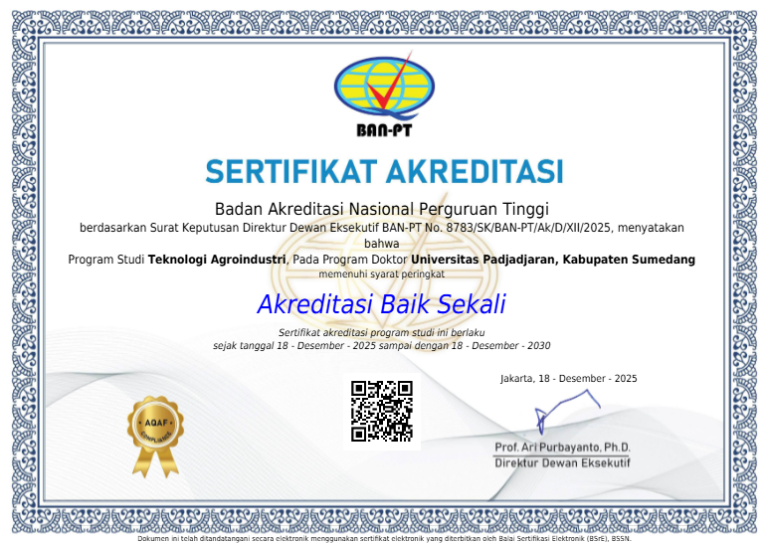
Accreditation
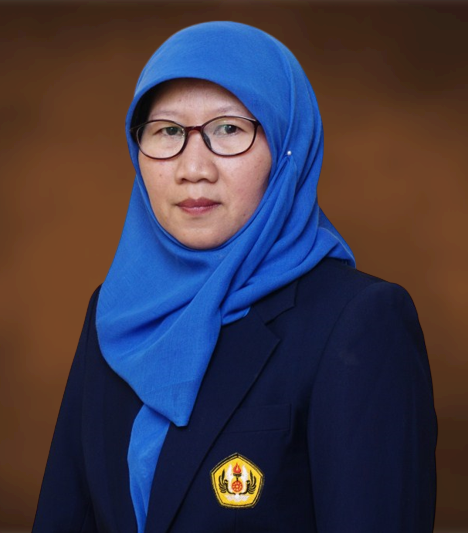
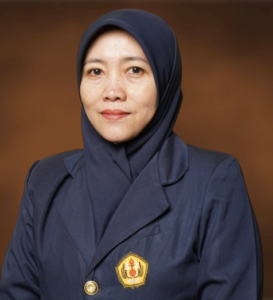
Leadership
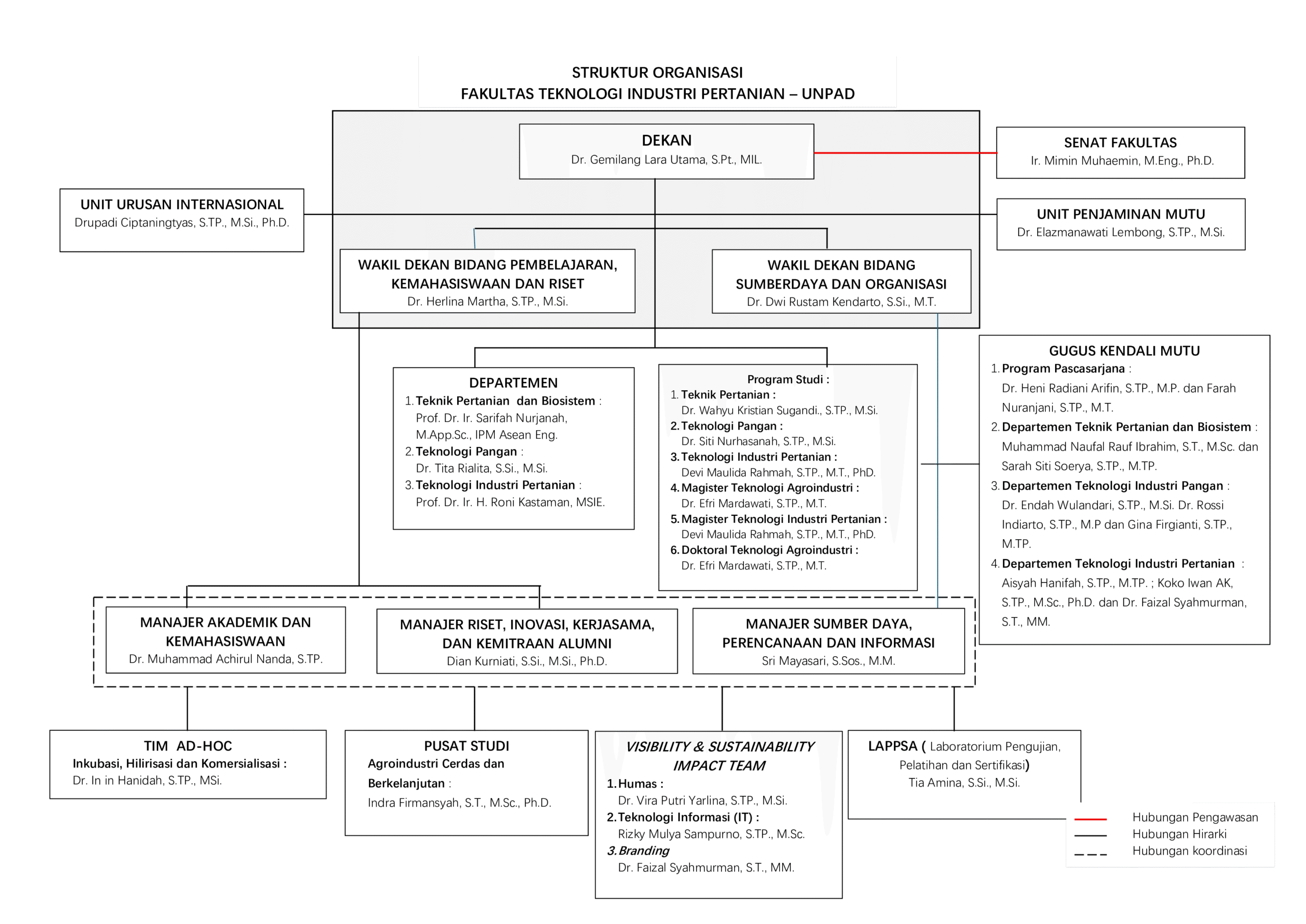
Organizational Structure
Academic Staff
Administrative Staff
The administrative staff of the Faculty of Agricultural Industrial Technology, Padjadjaran University, are key supporting elements in the administration, academic services, and operational activities of the faculty. Through their professional, responsive, and collaborative roles, the administrative staff contribute to ensuring the smooth running of education, research, community service, and services to lecturers, students, and other stakeholders.
Quality Assurance Unit
We implement an academic quality assurance system and internal quality assurance evaluation as stipulated by Padjadjaran University, and coordinate the quality assurance process across all work units, including developing and implementing quality standards and internal audits.
Campus Life
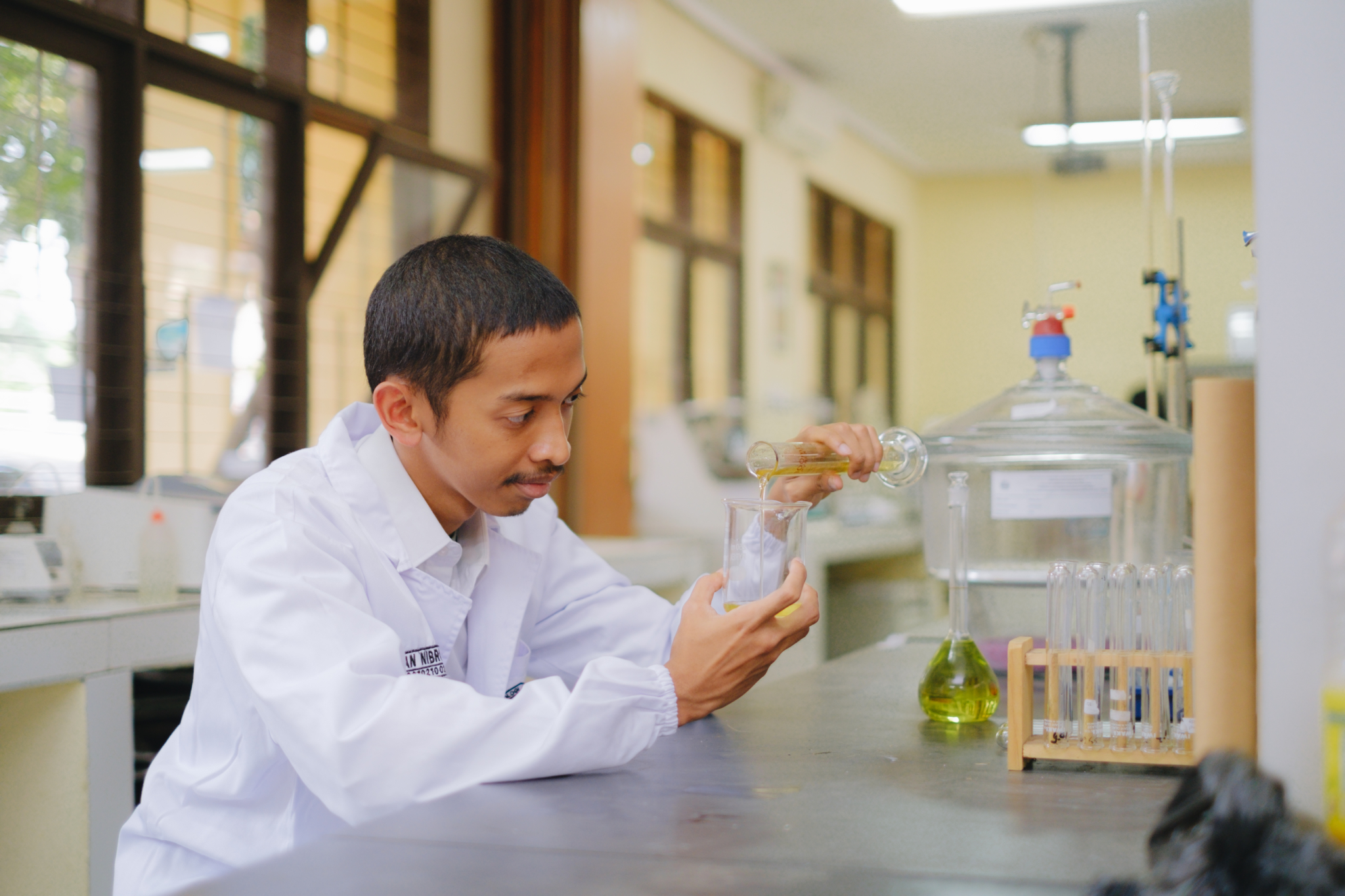
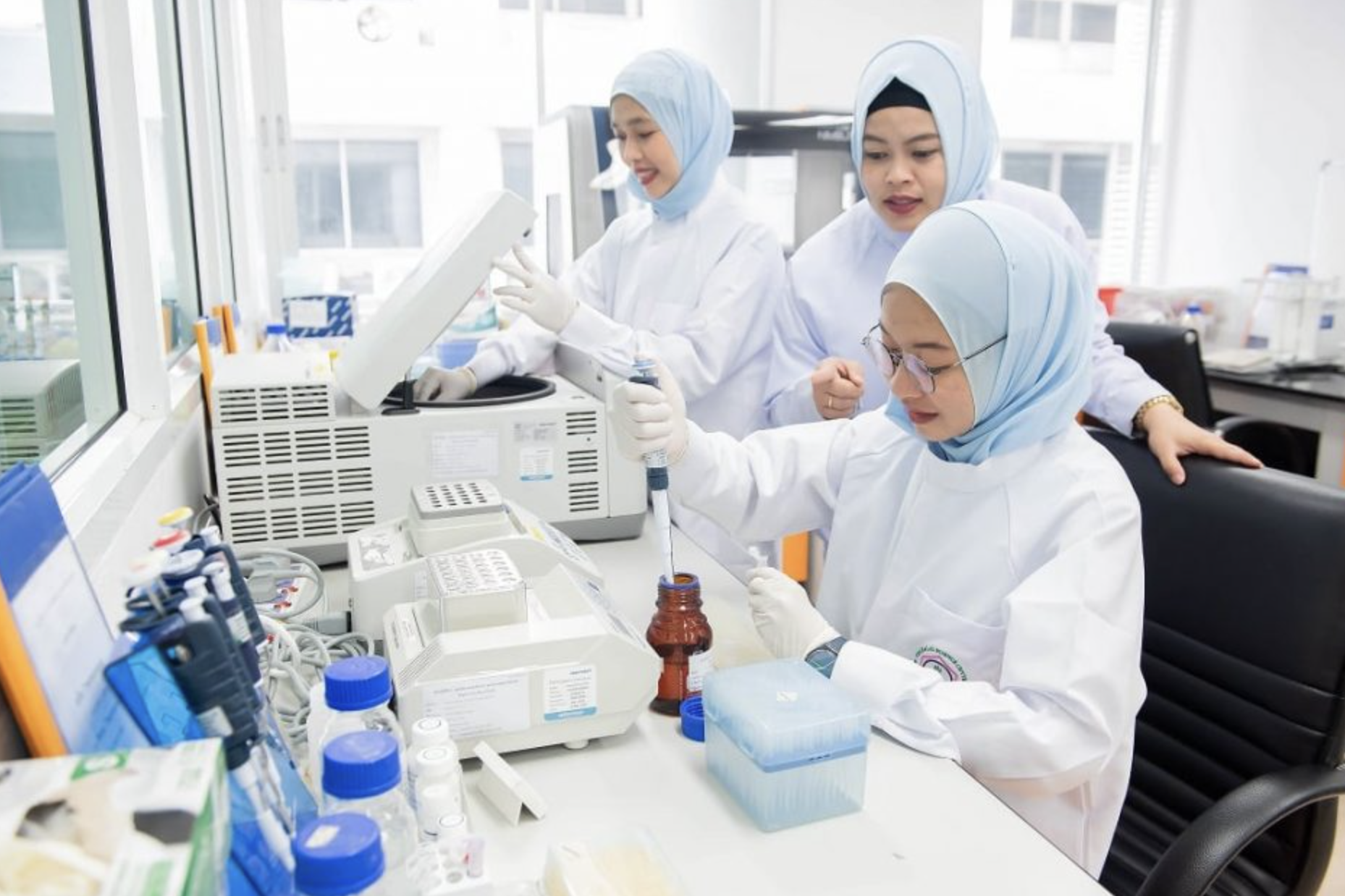
Studying at the Faculty of Agricultural Industrial Technology, Padjadjaran University, provides meaningful academic and self-development experiences for students. The conducive, collaborative, and application-based agricultural industrial technology campus atmosphere encourages students to actively learn, discuss, innovate, and participate in various academic and non-academic activities. Supported by learning facilities, laboratories, student activities, and a dynamic campus environment, the Faculty of Agricultural Industrial Technology Unpad strives to create a space for students to develop scientific competence, practical skills, leadership, creativity, and concern for food, agroindustry, environmental issues, and sustainability.