



The Master of Agro-Industrial Technology Program at FTIP Unpad is highly committed to professionalism and excellence in education and research in the field of agro-industrial technology. This program aims to produce qualified, innovative, dynamic, and excellent graduates who are capable of developing research in agricultural technology to support industrial-cultured, environmentally conscious, and sustainable agriculture.
Graduates of the Master of Agro-Industrial Technology Program are prepared for various strategic roles, including researchers, doctoral candidates, consultants, experts, lecturers, managers, and entrepreneurs. This indicates that graduates are not only prepared for the academic world but also for the needs of industry, applied research, consulting, business development, and decision-making in the agro-industrial sector.
The Agricultural Industrial Technology Study Program is one of the undergraduate programs at FTIP Unpad, established to meet the needs of developing agro-industry based on technology, innovation, and entrepreneurship. Based on the history of FTIP Unpad, the Bachelor’s Program in Agricultural Industrial Technology became part of FTIP’s study program development in 2014. Previously, FTIP Unpad had two initial undergraduate programs: Agricultural Engineering and Food Technology.
The Agricultural Industrial Technology Study Program is one of the undergraduate programs at FTIP Unpad, established to meet the needs of developing agro-industry based on technology, innovation, and entrepreneurship. Based on the history of FTIP Unpad, the Bachelor’s Program in Agricultural Industrial Technology became part of FTIP’s study program development in 2014. Previously, FTIP Unpad had two initial undergraduate programs: Agricultural Engineering and Food Technology.
By 2024, it will be a study program with a high commitment to professionalism and excellence in education and research in the field of agro-industrial technology, recognized nationally.
To produce qualified, innovative, dynamic, and excellent graduates and to develop research in agricultural technology to support the growth of industrial-cultured, environmentally conscious, and sustainable agriculture by applying advanced agro-industrial science, namely practical or applied knowledge, which supports graduates’ work to develop careers in various fields related to the agricultural industry.
The facilities of the Master of Agro-Industrial Technology Program are presented as a supporting ecosystem for learning, research, testing, and development of agro-industrial technology within FTIP Unpad. MTA students can be directed to faculty facilities and related field laboratories that support five main specializations: Soil and Water Engineering, Postharvest Technology, Food Technology, Food Security, and Agricultural and Food Machinery. The FTIP website also displays general facilities such as lecture halls, seminar rooms, meeting rooms, laboratories, libraries, e-learning rooms, internet access, and the Testing Services Lab for analytical services.
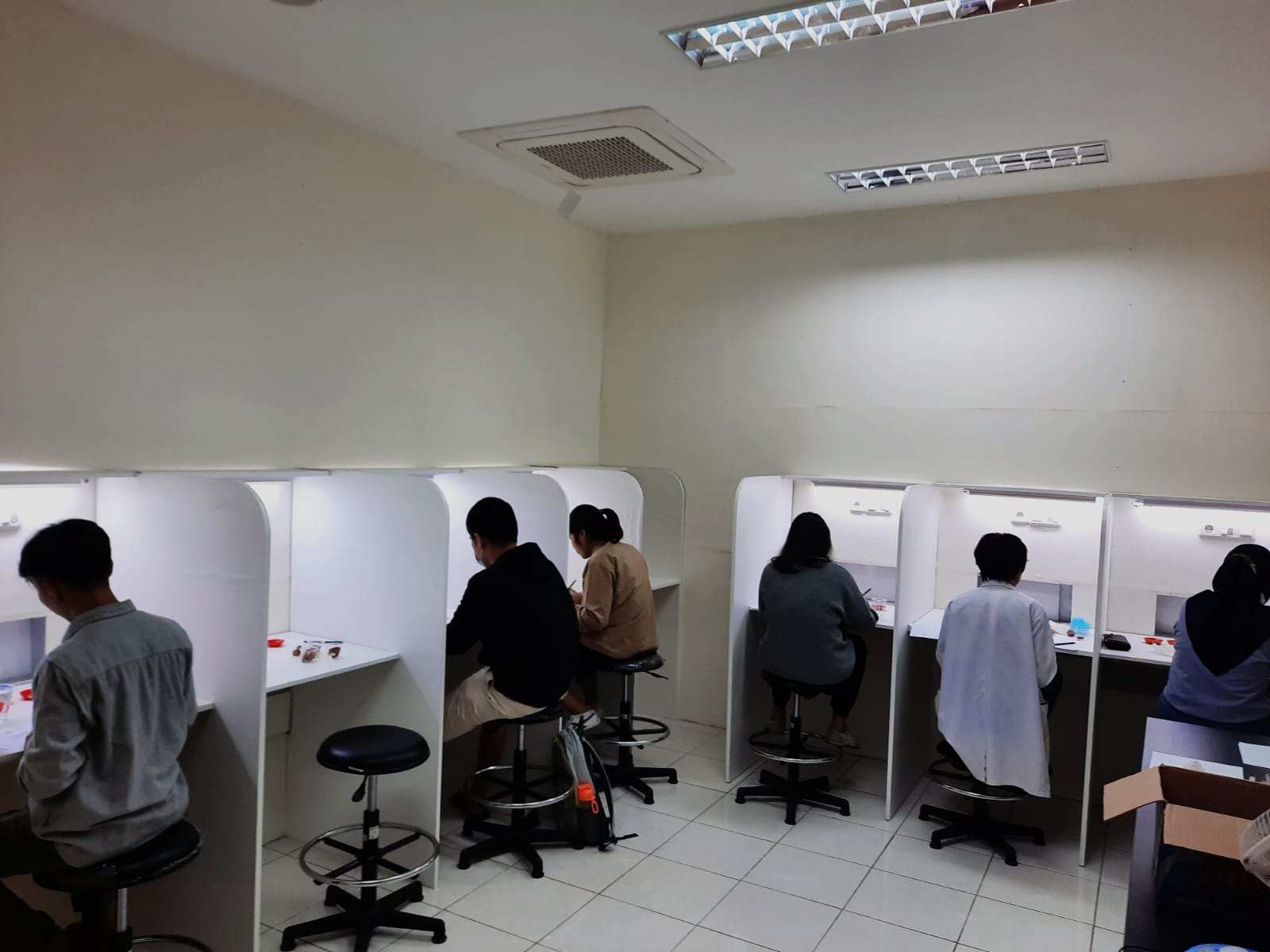
The curriculum of the Master of Agro-Industrial Technology Program is designed to equip students with advanced agro-industrial knowledge, covering aspects of engineering, technology, management, resource optimization, and problem-solving in the agricultural industry. According to the official Unpad website, the cumulative study load for the Master of Agro-Industrial Technology Program is 54 credits, which can be completed in 4 semesters. Students are provided with general basic courses and specialized courses according to their study materials or specializations.
Learning in this program is guided through five areas of study or specializations: Agricultural and Food Machinery, Soil and Water Engineering, Postharvest Technology, Food Technology, and Food Security. The learning methods used include Student-Centered Learning, Computer-Based Learning, and Self-Learning, and the curriculum is regularly evaluated and developed to keep pace with professional advancements.
| No | Specialization | Brief Description |
| 1 | Soil and Water Engineering | Planning, development, and management of soil and water resources, including the quality and quantity of surface and groundwater, flood control, and the allocation and utilization of irrigation water. |
| 2 | Postharvest Technology | Application of science and technology to maintain the physical, chemical, and physiological quality of products after harvest to keep them fresh before being processed into finished products. |
| 3 | Food Technology | Application of food science through innovative and technological approaches to obtain optimal benefits and increase the added value of food ingredients. |
| 4 | Food Security | Planning, development, management, and optimization of the role of food ingredients in supporting sustainable food availability. |
| 5 | Agricultural and Food Machinery | Design of future-oriented agricultural and food machinery that contributes to sustainable agriculture and food. |
Graduates of the Master of Agro-Industrial Technology Program are prepared as postgraduate human resources capable of logical, critical, systematic, and creative thinking in developing agro-industrial science and technology. Students are not only directed to understand theory but also to perform academic validation, construct scientific arguments, develop research, and produce theses suitable for publication in accredited scientific journals.
The excellence of MTA graduates lies in their ability to integrate engineering, management, and technology principles to solve agricultural engineering and food technology problems in an integrated manner. With expertise in agricultural and food machinery, soil and water engineering, postharvest technology, food technology, and food security, graduates can serve as researchers, consultants, experts, lecturers, managers, entrepreneurs, or doctoral candidates ready to develop careers in various fields of the agricultural industry.
Student Affairs for the Master of Agro-Industrial Technology Program can be presented as a space for academic development, research, publications, networking, and postgraduate student achievements. The MTA website showcases several student activities and achievements, such as student publications in reputable international journals like Trends in Food Science and Technology, academic visits to The Halal Science Center Chulalongkorn University and the Center for Safety, Health and Environment of Chulalongkorn University, and achievements at the IUFoST Rose Spiess Award for a Sustainable Food Supply in Mumbai, India.
Students of the Master of Agro-Industrial Technology Program are encouraged to be active in academic activities, research, scientific publications, professional networking, and international activities. Through a strong postgraduate academic atmosphere, students can develop their capacity as researchers, professionals, and innovators in the field of agro-industrial technology.
The Master of Agro-Industrial Technology Program at FTIP Unpad is a strategic choice for prospective students who wish to strengthen their competencies in advanced agro-industrial technology, applied research, engineering, management, and agricultural industry innovation. With an Excellent accreditation status and international recognition from ASIIN, this program offers a strong academic environment for bachelor’s graduates, practitioners, researchers, lecturers, experts, and prospective entrepreneurs who want to enhance their professional capacity in the agro-industrial field.
The main advantage of the Master of Agro-Industrial Technology Program lies in its five specializations relevant to the needs of agricultural and food development: Agricultural and Food Machinery, Soil and Water Engineering, Postharvest Technology, Food Technology, and Food Security. These five specializations provide students with the opportunity to choose a scientific focus according to their research interests, career needs, or industrial challenges they wish to address.
With a 54-credit curriculum, student-centered, computer-based, and self-learning approaches, and an orientation towards research and scientific publications, the Master of Agro-Industrial Technology Program is the right choice for prospective students who want to build a career as a researcher, consultant, expert, lecturer, manager, entrepreneur, or pursue doctoral studies. Registration information can be directed to the official SMUP website, which provides registration channels for postgraduate/master’s programs.